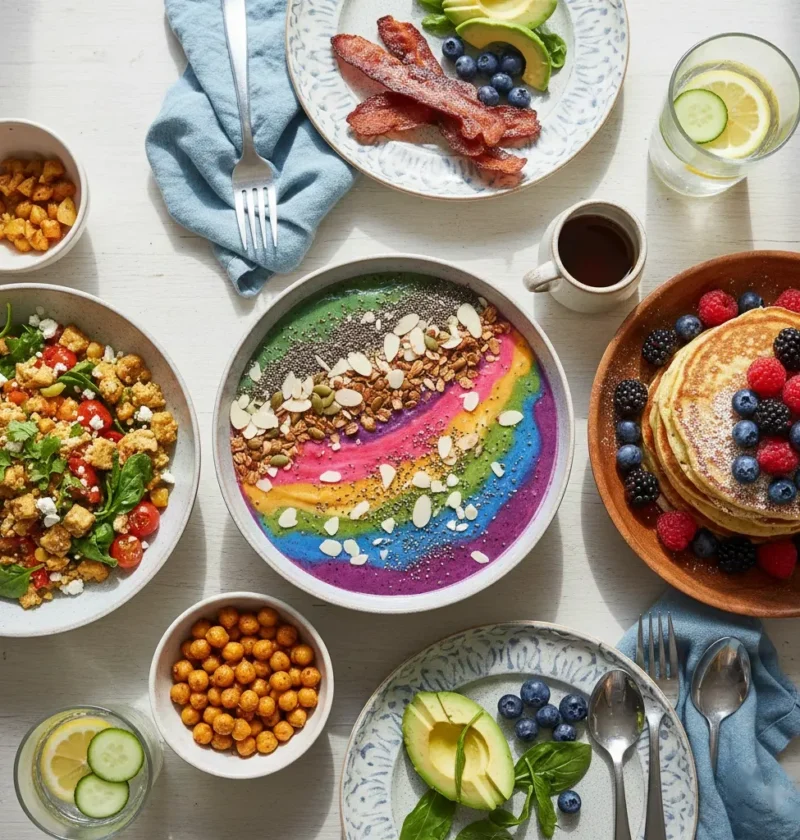
Starting your day with a nutritious vegetarian breakfast is easy and delicious. You don’t need eggs to get enough protein. There are many other great options out there.
Whether you’re busy or a parent looking for quick breakfast ideas, we’ve got you covered. Discover high-protein vegetarian breakfast ideas that are egg-free and ready in 20 minutes. Try savory oats or tofu scrambles for a filling morning.
Key Takeaways
- Explore egg-free, high-protein breakfast options that are quick and easy.
- Discover 15 filling vegetarian breakfast recipes ready in 20 minutes.
- Learn how to start your day with a nutritious, protein-packed meal.
- Find healthy breakfast ideas that cater to your busy lifestyle.
- Enjoy a variety of savory and delicious breakfast options.
Why Choose High Protein Vegetarian Breakfasts Without Eggs
Starting your day with a high protein vegetarian breakfast without eggs can change your health and energy. You’ll find many benefits and some challenges when you try egg-free breakfasts.
Benefits of Starting Your Day With Plant-Based Protein
Plant-based proteins are good for you because they have less saturated fat and more fiber. Eating high protein vegetarian breakfasts can make you feel full longer, help your muscles recover, and improve your nutrition.
A comparison of animal-based and plant-based protein sources shows important differences:
| Protein Source | Saturated Fat Content | Fiber Content |
| Animal-based (e.g., eggs) | High | Low |
| Plant-based (e.g., legumes, nuts) | Low | High |
Common Challenges of Egg-Free Vegetarian Breakfasts
Egg-free vegetarian breakfasts have many benefits, but there are challenges too. You might struggle to get enough protein, find enough variety in your diet, and avoid nutrient deficiencies.
How This Article Will Help You
This article aims to help you with the challenges of high protein vegetarian breakfasts without eggs. It offers tasty and healthy recipes, along with tips on meal prep and nutrition. You’ll learn how to make smart choices and enjoy a balanced, egg-free vegetarian diet.
Best Plant-Based Protein Sources for Breakfast
You can enjoy a variety of high-protein, egg-free breakfasts by using different plant-based protein sources. Adding these to your morning meal can keep you full and energized all day.
Legumes and Beans
Legumes and beans are great for protein and fiber, making them perfect for breakfast. Here are some examples:
- Chickpeas: Rich in protein and versatile, chickpeas can be used in breakfast burritos or as a hummus spread.
- Lentils: High in protein and fiber, lentils can be added to breakfast bowls or used in savory pancakes.
- Black Beans: A staple in many cuisines, black beans are rich in protein and can be used in breakfast burritos or as a topping for toast.
Nuts and Seeds
Nuts and seeds are not only crunchy and delicious but also packed with protein. Here are some top choices:
- Chia Seeds: Rich in omega-3 fatty acids and protein, chia seeds can be added to oatmeal or yogurt.
- Hemp Seeds: A complete protein source, hemp seeds can be sprinkled over breakfast bowls or blended into smoothies.
- Almonds: High in protein and healthy fats, almonds make a great snack or addition to breakfast recipes.
Dairy and Dairy Alternatives
For those who consume dairy or prefer dairy alternatives, there are several high-protein options:
- Greek Yogurt: High in protein, Greek yogurt can be enjoyed with nuts and fruit or used as a base for smoothies.
- Cottage Cheese: Rich in protein, cottage cheese is a great breakfast option when paired with fruit or nuts.
- Tofu: A versatile soy product, tofu can be scrambled like eggs or used in breakfast burritos.
Whole Grains and Pseudo-Cereals
Whole grains and pseudo-cereals provide a good amount of protein and are rich in other nutrients. Examples include:
- Quinoa: A complete protein, quinoa can be used as a base for breakfast bowls or as a side dish.
- Oats: While not as high in protein as some other grains, oats are still a good source and can be enjoyed with nuts and seeds.
- Buckwheat: Despite its name, buckwheat is not a true wheat and is a good source of protein, making it suitable for breakfast pancakes or porridge.
Quick and Creamy Protein-Packed Smoothie Bowls
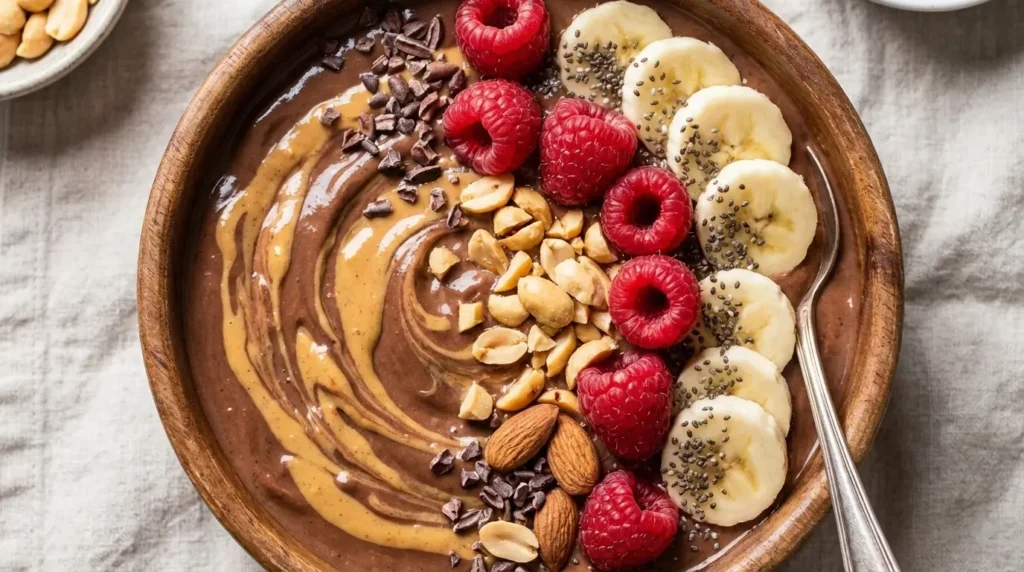
Enjoy creamy, protein-rich smoothie bowls for a morning boost. They’re perfect for busy mornings, offering a nutritious start. These bowls are not just tasty but also give you the energy to start your day.
Here are some delicious and protein-packed smoothie bowl recipes you can try:
Chocolate Peanut Butter Protein Smoothie Bowl
This smoothie bowl is a chocolate dream, with 20g of protein. It’s made with plant-based protein powder, peanut butter, and almond milk. Top it with fruits and nuts for a filling breakfast.
Berry Tofu Smoothie Bowl
Try the Berry Tofu Smoothie Bowl for a fruity and refreshing option, with 18g of protein. It combines silken tofu, mixed berries, and vanilla. Add granola and fresh berries for crunch.
Green Protein Powerhouse Bowl with Hemp Seeds
Start your day with the Green Protein Powerhouse Bowl, packed with 19g of protein. It’s a green smoothie with spinach, banana, hemp seeds, and almond milk. Top it with almonds and coconut for a nutritious start.
These high-protein smoothie bowls are delicious and easy to make. They’re a great way to meet your protein needs at breakfast. With so many flavors, you can keep your mornings exciting and healthy.
High Protein Vegetarian Breakfast No Eggs: Savory Options
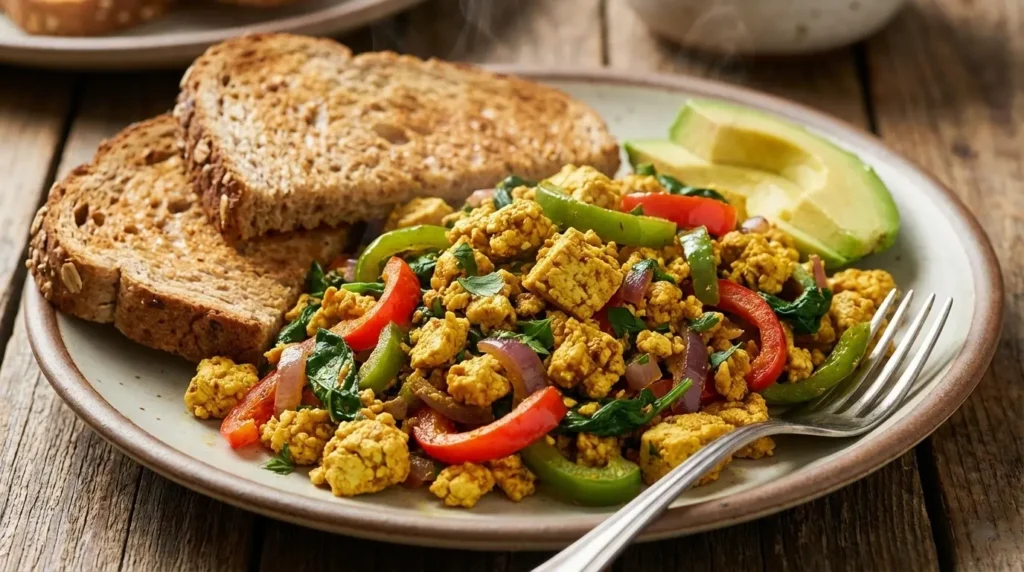
Starting your day with a savory high-protein vegetarian breakfast is easy, even without eggs. You can enjoy many tasty dishes that are full of protein. This keeps you energized all morning. Here are some savory high-protein vegetarian breakfast ideas that don’t need eggs.
Spicy Tofu Breakfast Scramble
A Spicy Tofu Breakfast Scramble is a great way to begin your day. It’s made with crumbled tofu, onions, bell peppers, and spices. This dish has about 22g of protein. You can serve it with whole-grain toast or in a tortilla for a filling meal.
Savory Chickpea Flour Pancakes
Savory Chickpea Flour Pancakes are another great choice. These pancakes use chickpea flour, water, and savory spices. They have about 18g of protein per serving. You can top them with avocado, salsa, or Greek yogurt.
Black Bean and Avocado Breakfast Burritos
Black Bean and Avocado Breakfast Burritos are a tasty, protein-rich breakfast. They’re filled with black beans and avocado, wrapped in whole-grain tortilla. These burritos have about 20g of protein. You can add salsa, sour cream, or sliced veggies for extra flavor.
These savory high-protein vegetarian breakfasts are not only delicious but also give you the energy to start your day. Try different spices and ingredients to find your favorite.
Sweet and Satisfying Protein Breakfasts
Got a sweet tooth? Try these high-protein breakfasts that satisfy your cravings. Start your day with a delicious and nutritious meal. These sweet breakfast ideas are packed with protein.
Protein-Boosted Overnight Oats with Nut Butter
Overnight oats are a great breakfast choice. You can add different nut butters for extra protein and taste. A serving of these oats with nut butter has about 16g of protein.
To make it, mix rolled oats, milk, and your favorite nut butter. Refrigerate it overnight. Then, top it with fruits in the morning.
Quinoa Breakfast Pudding with Berries
Quinoa breakfast pudding is both nutritious and filling. It’s made with quinoa, milk, or yogurt for a protein-rich start. A serving has about 15g of protein.
Just cook quinoa, mix it with milk or yogurt, and add a sweetener. Top it with fresh berries for a tasty breakfast.
Greek Yogurt Protein Pancakes
Try Greek yogurt protein pancakes for a fluffy, protein-packed breakfast. They’re not only tasty but also keep you full. A serving has around 17g of protein.
Mix Greek yogurt with eggs, flour, and protein powder. Then, cook them on a non-stick pan for a protein-rich meal.
| Breakfast Option | Protein Content | Key Ingredients |
| Protein-Boosted Overnight Oats | 16g | Oats, Nut Butter, Milk |
| Quinoa Breakfast Pudding | 15g | Quinoa, Milk, Berries |
| Greek Yogurt Protein Pancakes | 17g | Greek Yogurt, Eggs, Flour |
Quick High-Protein Toast Variations
Start your day with quick, high-protein toast options. Toast is a great breakfast choice because it’s fast, flexible, and can be very healthy. Adding protein-rich toppings makes your breakfast both filling and satisfying.
Avocado and Tempeh Toast
Avocado and tempeh toast is a protein-packed breakfast. It combines creamy avocado with tempeh’s nutty taste. This mix offers about 18g of protein. The avocado’s healthy fats pair well with tempeh’s protein, making it a filling meal.
To make it, toast whole grain bread, mash an avocado, and add crumbled tempeh. Sprinkle with salt and pepper for extra flavor.
Cottage Cheese and Nut Butter Toast
Cottage cheese and nut butter toast is a tasty, high-protein choice. It has about 16g of protein, making it a great morning start. Cottage cheese’s creaminess pairs well with nut butter’s rich taste.
Use whole grain bread and your favorite nut butter to make it your own.
White Bean and Herb Spread Toast
White bean and herb spread toast is a lighter, protein-rich option. It has about 15g of protein and is full of fiber and vitamins. Blend cooked white beans with herbs like parsley and dill, then spread it on whole grain toast.
Add cherry tomatoes on top for extra flavor and nutrition.
Hummus and Roasted Vegetable Toast
Hummus and roasted vegetable toast is a tasty, nutritious breakfast. It has about 14g of protein. Hummus, made from chickpeas, is a protein powerhouse, while roasted veggies add fiber and vitamins.
Choose your favorite veggies, roast them, and layer them on hummus spread on whole grain toast.
Protein-Rich Breakfast Bowls and Parfaits
Protein-rich breakfast bowls and parfaits are a tasty and healthy way to start your day. They let you mix proteins with fruits, nuts, and grains. This makes a meal that’s both filling and fits your diet.
Let’s look at some tasty protein-rich breakfast bowls and parfaits for your morning.
Greek Yogurt Parfait with Nuts and Berries
A Greek yogurt parfait is a tasty and protein-rich breakfast choice. It combines Greek yogurt, nuts like almonds or walnuts, and berries. This parfait has about 18g of protein and can be made with your favorite fruits and nuts.
Savory Lentil Breakfast Bowl
If you like savory breakfasts, try a lentil breakfast bowl. It’s made with cooked lentils, sautéed veggies, and spices. Add avocado or nuts for extra protein. This bowl has about 21g of protein and is packed with nutrients.
Cottage Cheese Power Bowl with Seeds and Fruit
Cottage cheese is a high-protein ingredient for a satisfying breakfast bowl. Mix it with chia or flax seeds and top with fresh fruit. This bowl has about 19g of protein and is full of fiber and healthy fats.
These examples show how simple it is to make protein-rich breakfast bowls and parfaits. They’re not only good for you but also delicious and easy to make. Try different combinations to find your favorite breakfast bowl.
How to Meal Prep High-Protein Vegetarian Breakfasts
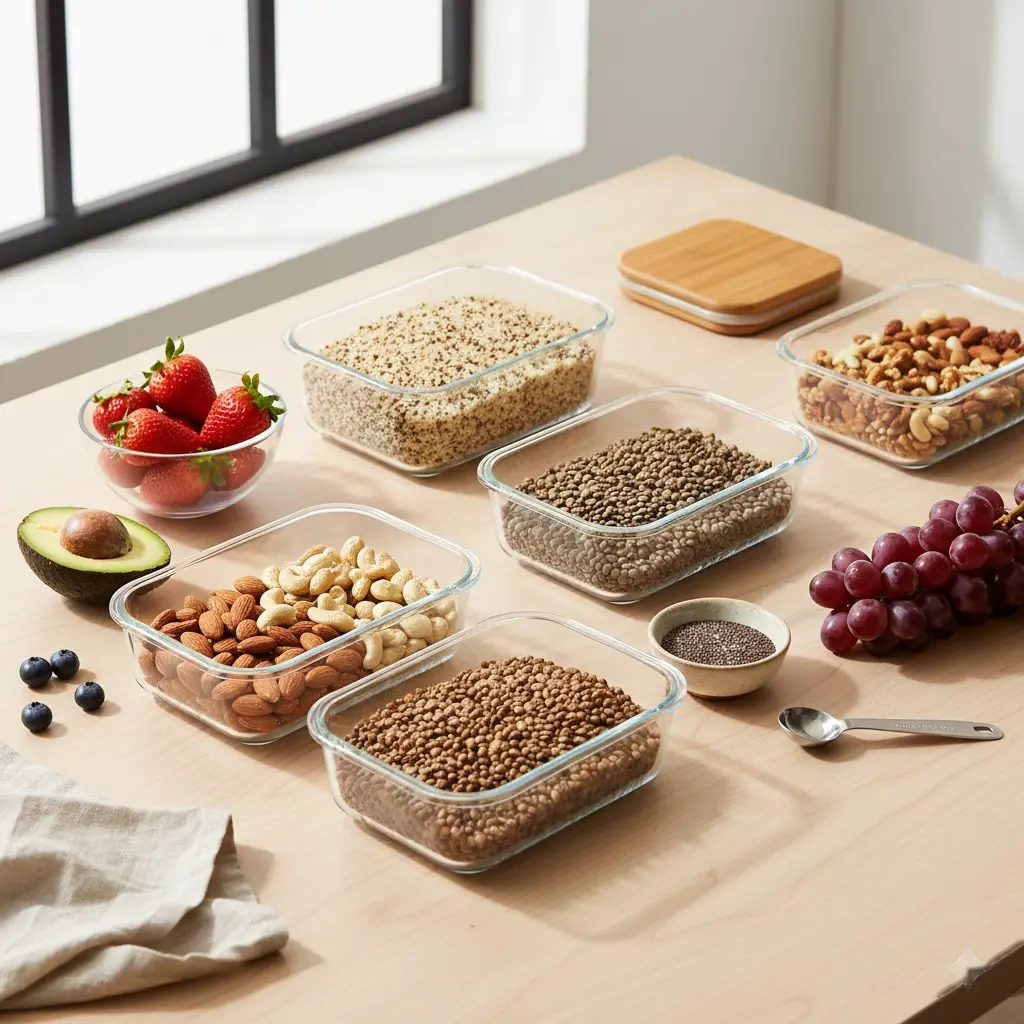
Planning ahead can make your mornings easier. Meal prep lets you enjoy tasty, protein-rich vegetarian breakfasts without the stress. It saves time and ensures you get the nutrients you need.
Weekly Prep Strategies for Busy Mornings
Set aside a few hours on the weekend for meal prep. Cook big batches of quinoa or oats and divide them into containers. Also, prepare toppings like nuts, seeds, and fruits for your breakfast bowls.
Storage Tips for Maximum Freshness
Keeping your breakfasts fresh is crucial. Store them in airtight containers in the fridge at 40°F (4°C) or below. For longer storage, freeze them and thaw overnight in the fridge.
Freezer-Friendly Breakfast Options
Some breakfasts, like breakfast burritos or muffins, freeze well. Wrap them in plastic or foil and store in a freezer-safe bag. Just thaw and reheat when you’re ready.
| Breakfast Option | Protein Content | Freezer-Friendly |
| Breakfast Burrito | 20g | Yes |
| Oatmeal Bowl | 15g | No |
| Breakfast Muffin | 18g | Yes |
Nutritional Benefits of Savory vs. Sweet Vegetarian Breakfasts
Choosing between savory and sweet vegetarian breakfasts can greatly affect your nutrition. Each type offers unique benefits. Knowing these can help you make better diet choices.
Blood Sugar Management Considerations
Savory breakfasts are better for blood sugar management. They have less simple carbs and more protein and fiber. This helps keep blood sugar stable in the morning. Sweet breakfasts, while tasty, can raise blood sugar because of their sugar content.
Satiety and Energy Levels Throughout the Day
The satiety and energy levels after breakfast differ between savory and sweet options. Savory meals, with their protein and fiber, keep you full longer. Sweet meals give a quick energy boost but might lead to a crash later.
Micronutrient Profiles Comparison
The micronutrient profiles of savory and sweet breakfasts show differences. Savory meals often have more vitamins and minerals. For example, they might include leafy greens or beans, which are full of iron and calcium. Sweet meals, while sometimes fortified, may not offer the same variety.
Choosing between savory and sweet vegetarian breakfasts depends on your nutritional needs and likes. Mixing both types can ensure a balanced diet.
Meeting Your Daily Protein Goals as a Vegetarian Without Eggs
Being a vegetarian without eggs can make hitting your protein goals seem tough. But, with smart planning, it’s doable. Knowing how to figure out your protein needs, spread it out during the day, and mix different protein sources is key.
Calculating Your Protein Needs
First, think about your age, sex, weight, and how active you are. The RDA says sedentary adults need 0.8 grams of protein per kilogram of body weight daily. But, if you’re more active or want to build muscle, you might need more.
| Activity Level | Protein Intake (grams/kg body weight/day) |
| Sedentary | 0.8 |
| Moderately Active | 1.2-1.6 |
| Very Active | 1.6-2.2 |
Balancing Protein Throughout the Day
Spreading out your protein intake is important. Eat 20-30 grams of protein per meal and 10-20 grams per snack. This helps keep your muscles healthy and supports overall health.
Combining Protein Sources for Complete Amino Acid Profiles
Some plant-based foods, like quinoa and buckwheat, are complete proteins. But, you can also mix different foods to get all the amino acids you need. For instance, pairing whole grains with legumes or nuts with seeds works well.
- Peanut butter on whole wheat bread
- Lentil soup with whole grain bread
- Chickpea salad with quinoa
By using these tips, you can easily meet your daily protein needs as a vegetarian without eggs.
Conclusion: Enjoying Diverse and Protein-Rich Vegetarian Breakfasts
You now have many high protein vegetarian breakfast ideas. They are tasty and full of nutrients. From smoothie bowls to savory tofu scrambles, there’s something for everyone.
Adding legumes, nuts, seeds, and dairy alternatives to your breakfast is easy. This way, you can meet your daily protein needs without eggs. The recipes provided offer a range of options to keep your breakfasts interesting and satisfying.
Start your day with a nutritious and filling breakfast. It will fuel your body and support your overall well-being. Explore these recipes and make them a part of your daily routine. Experience the benefits of a protein-rich vegetarian diet.
Frequently Asked Questions
What are the best plant-based protein sources for breakfast?
For breakfast, try legumes like chickpeas, lentils, and black beans. Nuts and seeds such as chia, hemp, and almonds are also great. Don’t forget about dairy alternatives like Greek yogurt and tofu. Whole grains like quinoa and oats are also packed with protein.
How to meal prep high-protein vegetarian breakfasts for the week?
To prep high-protein breakfasts, start with overnight oats. Cook lentils or chickpeas for the week. Portion out nuts and seeds. Keep everything in airtight containers to stay fresh.
What are the nutritional benefits of savory vs. sweet vegetarian breakfasts?
Savory breakfasts are often lower in sugar, which can help with blood sugar. Sweet breakfasts, like those with berries, are rich in antioxidants. Both can give you energy, depending on what you choose.
How to meet daily protein goals as a vegetarian without eggs?
First, figure out how much protein you need based on your activity level. Eat a variety of plant-based proteins throughout the day. Mix different sources to get all the amino acids your body needs.
Can I get enough protein from a vegetarian diet without consuming eggs?
Absolutely, you can get enough protein without eggs. Just eat a mix of legumes, nuts, seeds, whole grains, and dairy alternatives. This variety will give you all the protein you need.
Are high-protein vegetarian breakfasts suitable for busy mornings?
Yes, they are perfect for busy mornings. Try meal prep or quick options like smoothie bowls, overnight oats, or protein-packed toast.