One-Pot Vegetarian Meal Prep: Easy, Healthy Recipes
Looking for a simple way to eat healthy? One-Pot Vegetarian Meal Prep is a great choice. It makes meal preparation easy and ensures you’re eating well.
This method saves time and cuts down on kitchen mess. Easy healthy recipes can be made ahead. It’s perfect for those with busy lives.
Cooking in one pot makes preparing many dishes easy. You can try out new flavors and ingredients. This makes meal prep fun and engaging.
Key Takeaways
- Simplifies meal preparation
- Reduces kitchen cleanup
- Promotes healthy eating
- Saves time
- Allows for culinary creativity
Why One-Pot Cooking is Perfect for Busy American Families
One-pot cooking is a big help for busy families. It makes cooking healthy meals easy and quick. You can make many dishes with little effort, perfect for those with no time to spare.
Time-Saving Benefits of Single-Pan Cooking
One-pot cooking saves a lot of time. You don’t have to chop, sauté, or season each ingredient separately. This is great for families who need to eat fast.
A survey found that 75% of American families want quick meals. One-pot cooking is perfect for this, letting you cook meals in under 30 minutes.
Key time-saving benefits include:
- Reduced preparation time
- Simplified cooking process
- Faster cleanup
Reduced Cleanup and Kitchen Stress
One-pot cooking also means less mess in the kitchen. You use fewer dishes and utensils. This leaves you with more time to relax with your family.
“The fewer pots and pans you use, the less you’ll have to clean. It’s a simple yet effective way to reduce kitchen stress.”
Using just one pot cuts down on kitchen clutter and cleanup. This is a big plus for families who cherish their free time.
| Cooking Method | Cleanup Time (minutes) |
|---|---|
| One-Pot Cooking | 10 |
| Multi-Pot Cooking | 30 |
Cost-Effectiveness and Reduced Food Waste
One-pot cooking is also good for your wallet. It lets you use a variety of ingredients, including cheaper cuts of meat and veggies. This way, you save money and reduce food waste.
Cooking in bulk also means you can prepare meals for the week. This cuts down on takeouts and dining out. It saves money and ensures you eat healthy, homemade food.
Benefits of cost-effective one-pot cooking include:
- Reduced food waste
- Lower grocery bills
- Less money spent on dining out
Essential Tips for Perfect One-Pot Vegetarian Dishes
Making perfect one-pot vegetarian meals is all about a few key strategies. These ensure your dishes taste great and look good. Whether you’re a busy cook or a food lover, learning these tips will make your meals healthier and tastier.
How to Prevent Vegetables from Getting Mushy in One-Pot Meals
One big challenge in one-pot cooking is keeping vegetables crunchy. To prevent vegetables from becoming mushy, know how long each type takes to cook. For example, carrots and potatoes cook longer than spinach.
Start by adding harder vegetables first, and then quicker ones later. This way, each vegetable stays crunchy. It makes your dish more interesting.

Layering Ingredients for Optimal Texture and Flavor
The way you layer your ingredients matters a lot. Start with onions and garlic for a flavorful base. Next, add proteins and harder vegetables. Then, add grains or legumes, and finally, quicker-cooking veggies.
This layering not only cooks everything right but also boosts the flavor. Try different layering orders to see what works best for you.
Choosing the Right Pot or Pan for Your Recipes
The cookware you use can change how your dishes turn out. A pot that heats evenly, like a Dutch oven or a large skillet, is best. These pans cook everything well and hold lots of ingredients.
Think about the size of your pot or pan based on how much you’re making. A big pot is needed for large batches, while a small one is better for fewer servings. Getting a good, versatile pot can really improve your cooking.
Building Nutritionally Balanced Vegetarian Bowls
One-pot vegetarian recipes make it easy to make a balanced meal. The trick is to mix the right ingredients for a good balance of nutrients. This makes your meal tasty and healthy.
Best Vegetarian Protein Pairings for Single-Pan Recipes
Protein is key in any meal, and research highlights the health benefits of plant-based diets according to Harvard Medical School. For vegetarian bowls, pair legumes like lentils or chickpeas with grains like quinoa or brown rice. This mix gives you all the amino acids you need. You can also add tofu, tempeh, and seitan for more protein.
For example, a recipe with lentils, quinoa, and veggies is full of protein, fiber, and nutrients. Try different protein mixes to find your favorites.
Guide to Balancing Macronutrients in a Vegetarian Bowl
It’s important to balance macronutrients for a healthy meal, following balanced vegetarian eating patterns recommended by the USDA. A good vegetarian bowl has carbohydrates, proteins, and fats. Grains, starchy veggies, and legumes are good carbs. Legumes, tofu, and tempeh are great protein sources. Add healthy fats with nuts, seeds, avocados, or olive oil.
Imagine your bowl in sections. Put veggies in half, carbs in a quarter, and protein in the last quarter. This helps you make a balanced meal.
Adding Healthy Fats and Complex Carbohydrates
Healthy fats are important for nutrient absorption and taste. Add avocados, nuts, and seeds to your bowls. Complex carbs in whole grains and starchy veggies give you energy and fiber.
Avocado adds healthy fats and creaminess. Nuts or seeds on top add crunch and healthy fats. Whole grains like brown rice, quinoa, or whole wheat are full of fiber and nutrients.
By following these tips, you can make tasty and healthy vegetarian bowls with one-pot recipes. Try different ingredients and mixes to find your best options.
One-Pot Vegetarian Meal Prep Recipes You’ll Love
Get ready to fall in love with these simple and nutritious one-pot vegetarian meal prep ideas. These recipes are designed to be flavorful and satisfying. They make your meal prep journey enjoyable and stress-free.
Mediterranean Chickpea and Quinoa Bowl
This recipe is a perfect blend of Mediterranean flavors. It combines the nutritional benefits of chickpeas and quinoa.
Ingredients and Preparation
- 1 cup quinoa, rinsed and drained
- 2 cups water or vegetable broth
- 1 can chickpeas, drained and rinsed
- 1 red bell pepper, diced
- 1 small red onion, finely chopped
- 2 cloves garlic, minced
- 2 tbsp olive oil
- 1 tsp dried oregano
- Salt and pepper to taste
- Feta cheese (optional)
Step-by-Step Cooking Instructions
- In a large pot, combine quinoa and water or broth. Bring to a boil, then reduce heat to low, cover, and simmer for about 15 minutes or until quinoa is tender.
- Add chickpeas, bell pepper, onion, and garlic to the pot. Cook for an additional 10 minutes, stirring occasionally.
- Stir in olive oil, oregano, salt, and pepper. Cook for 1-2 minutes.
- Serve hot, topped with feta cheese if desired.
Spicy Black Bean and Sweet Potato Chili
This hearty chili is a great way to incorporate more plant-based protein and fiber into your diet.
Ingredients and Preparation
- 1 medium sweet potato, peeled and diced
- 1 can black beans, drained and rinsed
- 1 can diced tomatoes
- 1 small onion, chopped
- 2 cloves garlic, minced
- 1 tsp cumin
- 1 tsp chili powder
- 1/2 tsp cayenne pepper
- Salt and pepper to taste
Step-by-Step Cooking Instructions
- In a large pot, sauté onion and garlic until softened.
- Add sweet potato, black beans, diced tomatoes, cumin, chili powder, and cayenne pepper. Stir well.
- Pour in enough water to cover the ingredients. Bring to a boil, then reduce heat to low and simmer for 20-25 minutes or until the sweet potato is tender.
- Season with salt and pepper to taste. Serve hot.

Creamy Coconut Lentil Curry
This curry is a comforting and nutritious option, rich in protein and fiber.
Ingredients and Preparation
- 1 cup red or brown lentils, rinsed and drained
- 2 cups water or vegetable broth
- 1 can coconut milk
- 1 small onion, chopped
- 2 cloves garlic, minced
- 1 tsp curry powder
- 1/2 tsp turmeric
- Salt and pepper to taste
- Fresh cilantro for garnish
Step-by-Step Cooking Instructions
- In a large pot, sauté onion and garlic until softened.
- Add lentils, water or broth, curry powder, and turmeric. Bring to a boil, then reduce heat to low and simmer for 20-25 minutes or until lentils are tender.
- Stir in coconut milk. Season with salt and pepper to taste.
- Serve hot, garnished with fresh cilantro.
Italian White Bean and Vegetable Stew
This stew is a delicious and healthy way to enjoy a variety of vegetables and beans in one pot.
Ingredients and Preparation
- 1 can cannellini beans, drained and rinsed
- 2 cups vegetable broth
- 1 small onion, chopped
- 2 cloves garlic, minced
- 1 carrot, chopped
- 1 zucchini, chopped
- 1 can diced tomatoes
- 1 tsp dried thyme
- Salt and pepper to taste
Step-by-Step Cooking Instructions
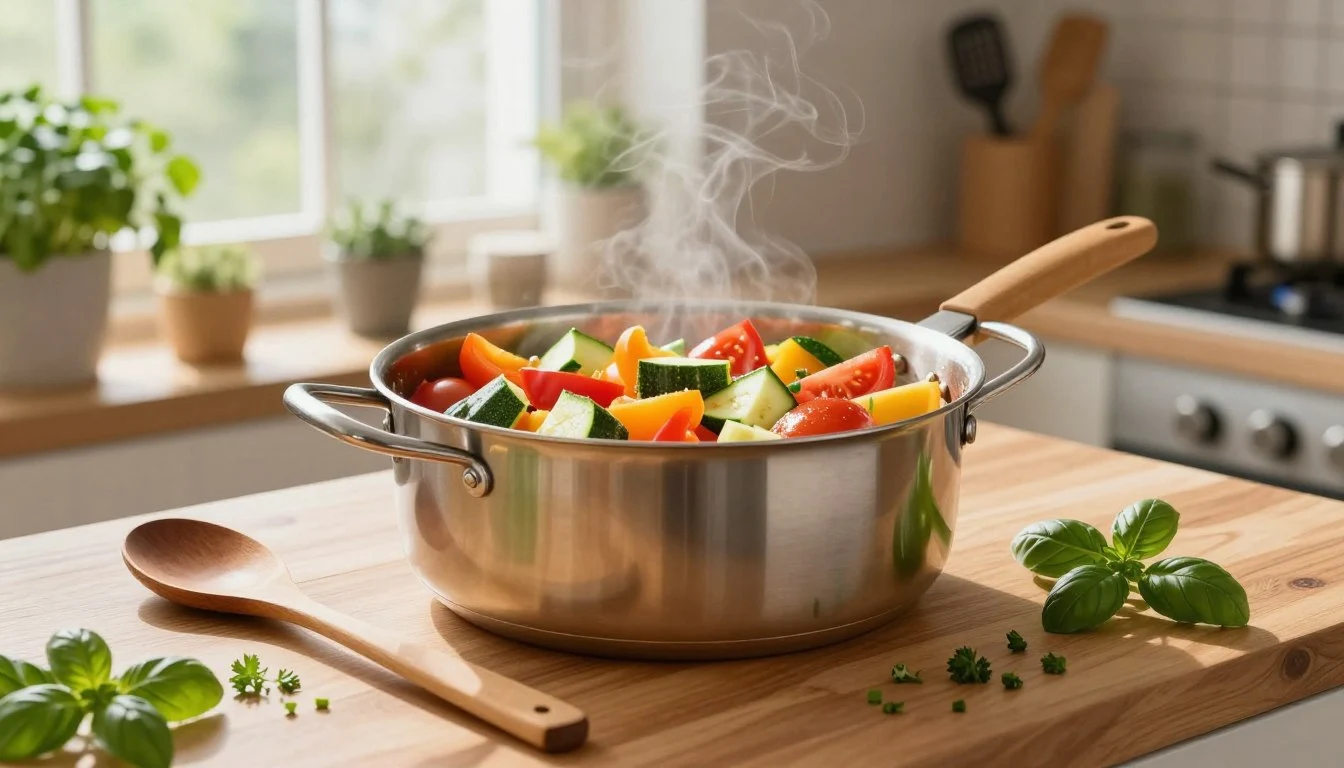
- In a large pot, sauté onion, garlic, carrot, and zucchini until the vegetables are tender.
- Add cannellini beans, vegetable broth, diced tomatoes, and thyme. Bring to a boil, then reduce heat to low and simmer for 20-25 minutes.
- Season with salt and pepper to taste. Serve hot.
| Recipe | Prep Time | Cook Time | Total Time |
|---|---|---|---|
| Mediterranean Chickpea and Quinoa Bowl | 10 minutes | 20 minutes | 30 minutes |
| Spicy Black Bean and Sweet Potato Chili | 15 minutes | 25 minutes | 40 minutes |
| Creamy Coconut Lentil Curry | 10 minutes | 25 minutes | 35 minutes |
| Italian White Bean and Vegetable Stew | 15 minutes | 25 minutes | 40 minutes |
Smart Meal Prep and Storage Strategies
To get the most from one-pot vegetarian meals, smart meal prep is key. It saves time, cuts down on waste, and keeps your meals nutritious.
Proper Portioning for Weekly Meal Prep
Getting the right portion size is crucial for meal prep. It helps you cook just enough for the week. Here’s how to portion your meals:
- Split your cooked meal into portions that fit your diet.
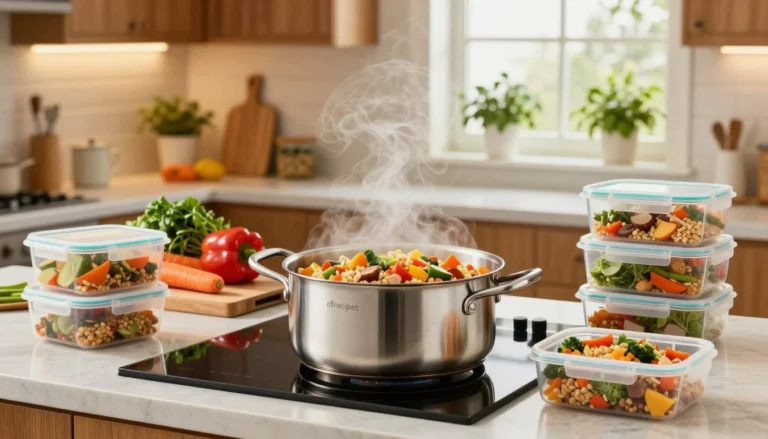
- Store each portion in airtight containers to keep it fresh.
- Mark each container with the date and what’s inside.
Best Containers for Storing One-Pot Meals
The right containers are vital for keeping your meals fresh. Here’s what to look for:
- Choose containers that are BPA-free and sturdy.
- Make sure they’re safe for microwaving for easy reheating.
- Opt for stackable containers to save fridge space.
Reheating Tips for Maximum Flavor and Texture
Reheating your meals right is important for taste and texture. Here are some tips:
- Reheat on a lower microwave setting to avoid burning.
- Add water or broth if it’s too dry.
- Stir halfway through to heat evenly.
With these meal prep and storage tips, you can enjoy your one-pot vegetarian meals all week. They’ll still taste great and be just as good as when you first made them.
Conclusion
You now know how one-pot vegetarian meal prep can make cooking easier, save time, and help you eat healthier. You have all the tips and recipes you need to start your meal prep adventure.
One-pot cooking lets you make nutritious meals with less cleanup and less food waste. By layering ingredients and picking the right pot or pan, you can make tasty and balanced vegetarian bowls.
When you start your one-pot vegetarian meal prep, remember to portion your meals right. Store them in good containers and reheat them to keep the flavor and texture. This way, you’ll enjoy healthy, homemade meals all week.
Begin your journey into one-pot vegetarian cooking and find the joy of easy meal prep. With a bit of practice, you’ll make nourishing meals that are delicious and good for you.
One-Pot Vegetarian Meal Prep – Frequently Asked Questions
What are the benefits of one-pot cooking for busy American families?
One-pot cooking saves time, reduces cleanup, and lowers kitchen stress. It allows families to prepare healthy meals quickly, often in under 30 minutes. This method also helps reduce food waste and grocery costs, making it ideal for busy American households focused on efficient meal prep.
How do I prevent vegetables from getting mushy in one-pot meals?
To prevent vegetables from getting mushy in one-pot meals, add ingredients based on cooking time. Start with firm vegetables like carrots and potatoes, then add softer vegetables like spinach later. Proper layering and timing help maintain texture and flavor in your One-Pot Vegetarian Meal Prep.
What are the best vegetarian protein pairings for single-pan recipes?
The best vegetarian protein pairings for single-pan recipes include lentils with quinoa, chickpeas with brown rice, or tofu with mixed vegetables. Combining legumes and whole grains provides complete protein and supports balanced vegetarian bowls.
How do I balance macronutrients in a vegetarian bowl?
To balance macronutrients, include protein sources like beans or tofu, complex carbohydrates such as quinoa or brown rice, and healthy fats like avocado or olive oil. A simple approach is filling half the bowl with vegetables, one quarter with protein, and one quarter with whole grains.
What are the best containers for storing one-pot meals?
The best containers for One-Pot Vegetarian Meal Prep are airtight, BPA-free, and microwave-safe. Glass containers are durable and help preserve freshness. Stackable designs also save refrigerator space during weekly meal prep.
Can I customize one-pot vegetarian meal prep recipes?
Yes, you can customize ingredients, seasonings, and portion sizes based on dietary preferences. One-pot cooking is flexible and allows you to adjust protein sources, vegetables, and spices to fit your nutrition goals and taste preferences.